An engineer connecting geotechnical practice, computational research and infrastructure risk.
Professional Background
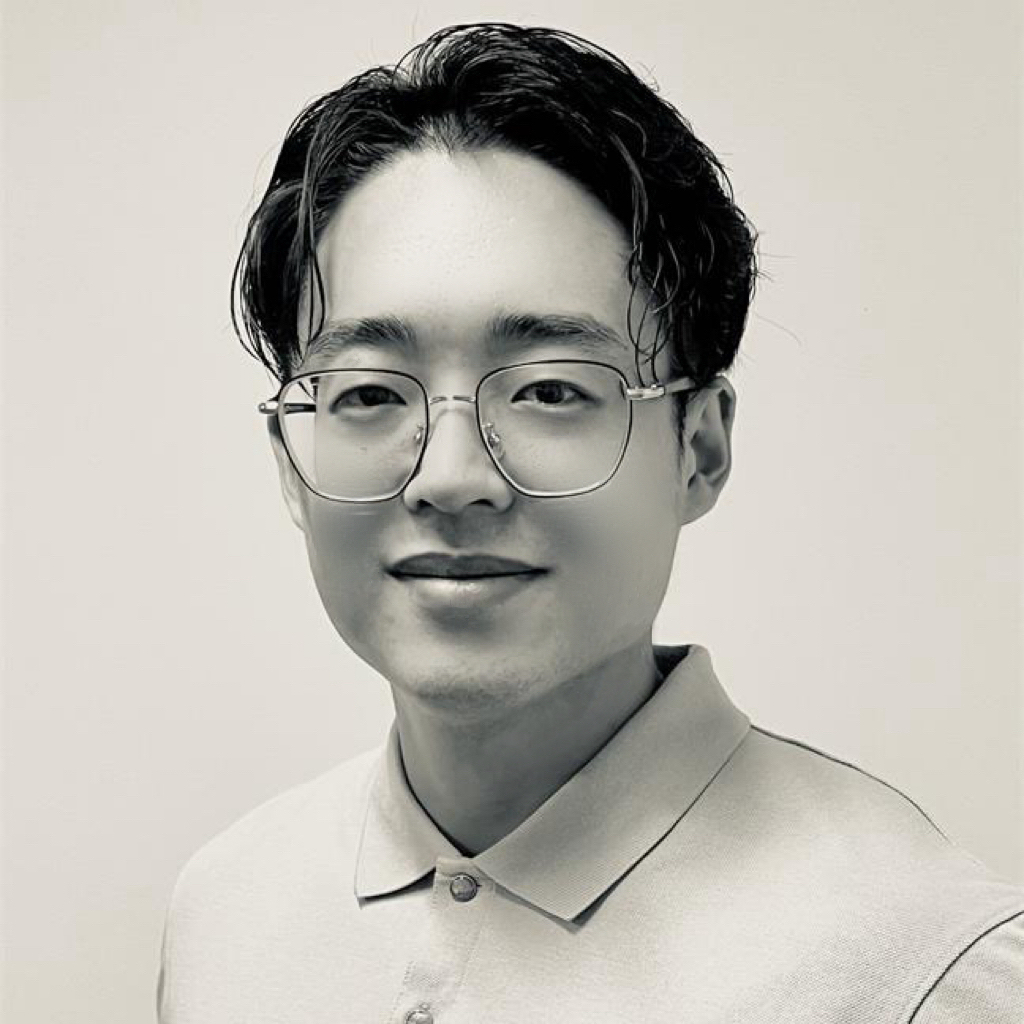
Dr Xuanchi “Tom” Liu is a Melbourne-based geotechnical / tailings engineer and researcher. His consulting practice centres on tailings and dam infrastructure, slope stability, seepage, foundations, retaining structures and ground-structure interaction, delivered across transport, water, tunnelling, mining and civil infrastructure projects in Australia and New Zealand.
That practice is underpinned by PhD-level numerical modelling capability. A former Research Fellow and current Honorary Fellow of the University of Melbourne, and a former Associate Professor at Harbin Institute of Technology, he brings research-grade discipline in finite element modelling, porous media, material behaviour, model validation and sensitivity analysis to everyday geotechnical design decisions.
Around this core, he draws on structural engineering training, published biomedical modelling research, programming and digital engineering skills, and financial analysis as a Chartered Financial Analyst — a combination that supports engineering recommendations balancing technical performance with cost, constructability, asset value and long-term infrastructure risk.
Structural Engineering Foundation
His technical foundation began in structural engineering, with a Bachelor of Engineering (Structural Engineering, Honours) from Harbin Institute of Technology, followed by hands-on design and construction experience supervising a 15-storey residential apartment development. This early grounding in load paths, construction sequencing and structural behaviour continues to inform how he reads ground-structure interaction problems in geotechnical design — particularly on projects involving bridge abutments, retaining structures and tunnel linings, where geotechnical and structural behaviour cannot be considered in isolation.
Biomedical Engineering Research
Dr Liu’s doctoral and postdoctoral research at the University of Melbourne addressed computational modelling problems in biomedical engineering, including bone fracture healing mechanisms, cartilage lubrication, motion capture systems and muscle loading. This work required building finite element and computational models of porous, load-bearing biological systems, deriving material parameters from experimental data, and validating model predictions against independent measurements — the same modelling discipline required for reliable geotechnical analysis.
Applied to geotechnical practice, these methods support problems such as soil-structure interaction, seepage, slope stability, embankment behaviour, deformation analysis, tunnel behaviour, and tailings and dam infrastructure. More broadly, the research trained a consistent habit of questioning model assumptions and testing parameter sensitivity that carries into every model he builds.
Programming, CAD & Digital Engineering
Alongside his geotechnical and research work, Dr Liu maintains active programming and digital engineering capability, including Python and MATLAB for computational workflows, data analysis and automation, exposure to machine learning methods, and CAD proficiency across Civil 3D, SolidWorks and Rhino 8. This supports both his numerical modelling work and his ability to build efficient, reproducible analysis workflows rather than relying solely on manual calculation.
Commercial Perspective
Dr Liu is also a Chartered Financial Analyst. The financial training complements his engineering practice with a working understanding of financial analysis, risk, asset value and commercial decision-making — directly relevant to tailings, dams, mining and water infrastructure, where technical recommendations must be weighed against cost, constructability, operational risk and long-term value.
Professional Interest
His current professional direction sits at the intersection of geotechnical engineering, tailings and dam infrastructure, numerical modelling and infrastructure risk — applying engineering practice, academic research, programming capability and commercial analysis as a single, coherent framework for making better technical decisions.